

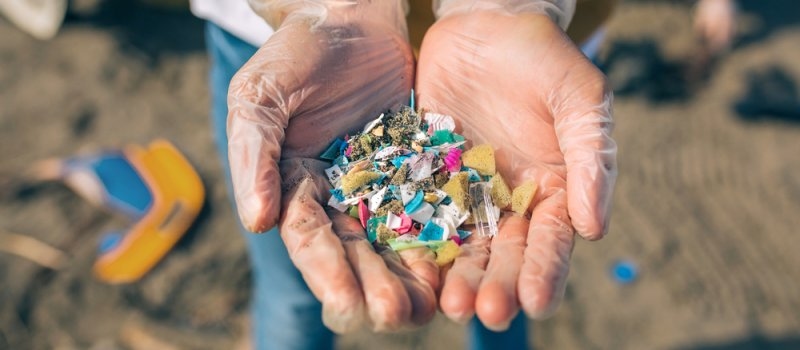
Have you ever paused to think about what invisible particles might be entering your body with every glass of water you drink? It is a sobering thought that concerns millions of health-conscious individuals today. Recent environmental health testing reveals that microscopic plastic fragments have quietly infiltrated our global food chain, municipal water supplies, and even the air we breathe.
Scientific research clearly demonstrates how microplastics affect human health across every stage of biological development. Data published in Environmental Science & Technology estimates that individuals consume up to 52,000 plastic particles yearly from food alone, while bottled water drinkers absorb upwards of 90,000 particles every year. Furthermore, groundbreaking analysis published in PNAS revealed that bottled water contains roughly 240,000 plastic fragments per liter, ninety percent of which are microscopic nanoplastics capable of entering the bloodstream.
In this comprehensive scientific review, we will examine how tiny synthetic particles enter human tissue, analyze biological damage mechanisms, review organ absorption data, and share evidence-based strategies to minimize daily exposure.
Microplastics are synthetic polymer fragments measuring less than five millimeters in diameter. Nanoplastics are even smaller, measuring below one micrometer. These tiny particles result from the degradation of industrial plastic waste, synthetic textiles, automotive tires, and commercial packaging.
Due to their minuscule scale, nanoplastics easily bypass natural biological filters. They enter the human bloodstream through inhalation and gastrointestinal absorption. Once inside the circulatory system, these particles travel directly into vital organ tissues.
The biological impacts of microplastics on health stem from their physical presence and chemical composition. Plastic polymers contain hazardous additives like bisphenols, phthalates, and heavy metals.
| Ingestion & Inhalation | Cellular Impacts |
| Entry via Water & Food | Organ Tissue Damage |
| Gastrointestinal Transport | Chronic Tissue Inflammation |
| Translocation into Blood | Oxidative Stress Spikes |
| Crossing Blood-Brain Barrier | Endocrine Disruptions |
| Deposition in Major Organs | Potential DNA Damage |
When cells absorb synthetic particles, foreign material triggers immediate immune responses. White blood cells attempt to break down the intruder but fail because synthetic polymers resist natural enzymatic degradation. This constant biological frustration leads to persistent tissue inflammation and elevated oxidative stress.
Microscopic sharp edges on synthetic particles cause direct mechanical irritation to cellular membranes. Over time, this recurring mechanical stress damages intestinal linings and delicate lung tissue.
Leaching chemical additives act as endocrine disruptors inside human bloodstreams. These toxins mimic natural hormones, disrupting thyroid function, metabolic balance, and reproductive health across all demographics.
Understanding how harmful are microplastics to the human body requires analyzing daily ingestion pathways. Scientists categorize human exposure into primary environmental vectors supported by rigorous data sampling.
| Exposure Vector | Primary Source | Quantitative Intake / Particle Load | Primary Biological Path |
| Bottled Water | PET bottles & cap shedding | 240,000 particles per liter (PNAS 2024) | Gastrointestinal system |
| Plastic Teabags | Steeping nylon/poly tea bags | 11.6 billion particles per cup (McGill 2019) | Direct digestive ingestion |
| Indoor Dust & Air | Synthetic carpets & textiles | 35,000+ particles inhaled per year | Deep respiratory alveoli |
| Human Bloodstream | Environmental absorption | Detected in 77% to 88% of human adults | Vascular circulation |
Recent medical biomonitoring studies found microplastic fragments in nearly 77% to 88% of tested human blood samples, confirming that continuous exposure leads to direct systemic absorption. Furthermore, microwaving plastic containers for just three minutes leaches billions of nanoplastic fragments directly into stored meals.
Recent surgical biopsies confirm particle accumulation inside human liver, kidney, placental, and cardiac tissues. A landmark 2024 study published in the New England Journal of Medicine identified microplastics within human arterial plaque. Patients with synthetic particles in their blood vessels showed a 4.5 times higher risk of heart attack, stroke, or mortality compared to those without detectable vascular plastic deposits.
Medical researchers are actively evaluating whether the long-term impact of microplastics and nanoplastics on human health includes chronic oncological risks. Many experts investigate whether persistent cellular inflammation and chemical toxicity can answer whether microplastics can cause cancer over decades of exposure. Current evidence links chronic industrial plastic exposure to elevated cellular mutation rates and cellular structural damage.
| Target Human Tissue | Clinical Consequence |
| Vascular Plaque (Arteries) | 4.5x Heart Risk Spikes |
| Lung Alveoli (Respiratory System) | Chronic Inflammation |
| Liver Parenchyma (Digestive System) | Metabolic Dysfunction |
| Placental Tissue (Fetal Barrier) | Developmental Issues |
Emerging clinical toxicology studies reveal that nanoplastics smaller than 100 nanometers can breach the human blood-brain barrier. Laboratory models demonstrate that polystyrene nanoparticles cross into brain tissue within hours of exposure, triggering neuroinflammation and activating microglia.
This persistent central nervous system exposure induces reactive oxygen species production, leading to neuronal cell damage and potential cognitive disruption over extended periods.
The gastrointestinal tract serves as the primary gateway for microplastic entry. Chronic ingestion alters intestinal epithelial integrity, weakening the tight junctions that prevent foreign toxins from entering the bloodstream.
Furthermore, leaching plasticizers disturbs healthy gut flora by decreasing populations of beneficial Lactobacillus species while promoting pro-inflammatory bacterial strains. This gut dysbiosis accelerates localized gastrointestinal inflammation and exacerbates symptoms of chronic inflammatory bowel disorders.
Medical researchers and environmental toxicologists emphasize prevention and natural detoxification support. While no single medical procedure clears plastic fragments immediately, supporting natural organ filtration reduces overall body burden.
Standard carbon filters cannot trap microscopic nanoplastics effectively. Installing reverse osmosis or high-efficiency membrane filtration systems removes up to 99% of microscopic synthetic particles from household tap water. Furthermore, preliminary 2025 research from Texas A&M shows natural plant polysaccharides from okra and fenugreek extracts can bind and clear up to 93% of microplastics in water.
Replace synthetic food storage with glass, stainless steel, or ceramic alternatives. Never heat food in plastic containers or flexible pouches, as heat breaks chemical bonds and releases toxic monomers rapidly.
While studying how to remove microplastics from your body, researchers recommend optimizing renal and hepatic health. Consuming high-antioxidant diets rich in polyphenols, quercetin, and cruciferous vegetables supports cellular resilience against oxidative stress caused by nanoplastics.
Try This: Latest Scientific Discoveries That Are Changing the World
Understanding microplastic toxicity is vital for safeguarding long-term human health. Throughout this article, we examined how microscopic synthetic particles penetrate cellular barriers, accumulate within vital organ tissue, disrupt hormonal balance, and elevate cardiovascular risks by 4.5 times. Peer-reviewed data confirms that environmental plastic contamination poses a genuine biological challenge to modern public health.
Protecting yourself and your family requires proactive daily choices. Switching to glass storage containers, installing advanced reverse osmosis water filters, and avoiding heated plastic packaging significantly reduces your synthetic particle intake. Combined with a nutrient-dense antioxidant diet, these strategic lifestyle choices strengthen your natural cellular defenses against environmental toxins.
If you want to stay ahead of cutting-edge medical research and discover validated wellness protocols, explore our detailed scientific reports and expert health breakdowns today to take complete control of your biological well-being.
Clinical blood analyses using mass spectrometry most frequently identify polyethylene terephthalate used in beverage bottles, polyethylene from plastic bags, and polystyrene from disposable food containers. These common industrial polymers fragment easily into microscopic nanoplastics that readily translocate through intestinal membranes directly into human circulatory pathways.
Boiling tap water combined with simple filtration can reduce calcium-rich microplastic precipitates. Heating hard water causes dissolved minerals to encapsulate microscopic plastic fragments. Passing the boiled water through a standard filter removes these clumped mineral particles, reducing total ingested microplastic counts significantly.
Inhaled microplastic fibers bypass nasal passages and settle deep within alveolar sacs. Biological enzymes cannot break down synthetic polymers, triggering localized pulmonary inflammation. Over time, persistent particle accumulation can cause respiratory discomfort, tissue scarring, and reduced gas exchange efficiency in sensitive individuals.
Yes, synthetic textiles like polyester, nylon, and acrylic continuously shed invisible microfibers during daily wear and laundering. These light particles float in indoor air, contributing significantly to household dust. Inhaling indoor dust forms a primary vector for human microplastic exposure inside homes and office buildings.
Microplastics alter gut microbiome composition by favoring harmful bacterial strains over beneficial probiotics. Chemical additives leaching from ingested plastics alter intestinal pH levels. compromise mucosal barrier integrity, and trigger localized gastrointestinal inflammation that disturbs healthy digestion and systemic immune responses.
This content was created by AI