

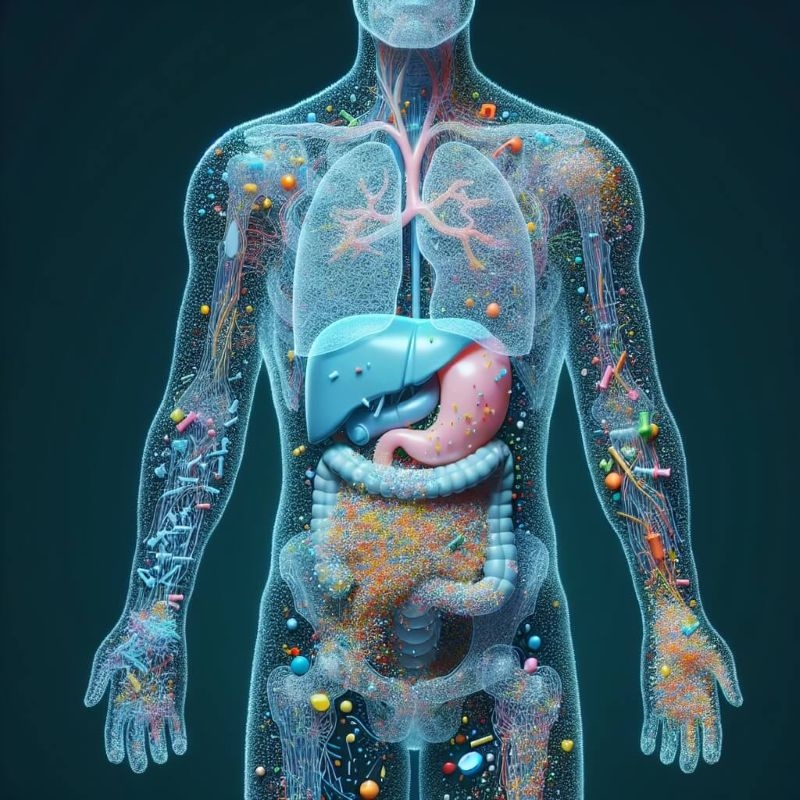
Microplastics in human body are tiny plastic particles that enter through food, water, and air. They are small pieces formed when larger plastic items break down. These particles are now being found in blood, lungs, and digestive tissues.
This blog will help you understand what microplastics are and find out the health effects of plastic pollution.
Must Read: How Memory Impacts Decision Making: Neuroscientific Insights
Microplastics are very small fragments of plastic material. They come from packaging, synthetic clothes, food containers, and many everyday items. When these materials break down, they do not disappear. They turn into smaller and smaller pieces.
These particles travel through air, water, and soil. A person may inhale them while breathing. They may drink them through water. They may consume them through food. Over time, some of these particles enter tissues.
Researchers have already confirmed the presence of microplastics in the human body through laboratory testing. This discovery changed the conversation. It is no longer only about polluted oceans or landfills. It is about internal exposure.
Plastic pollution's health effects do not always show visible symptoms right away. They develop slowly. Sometimes quietly. Below are key ways exposure may affect the body over time.
When plastic particles enter tissues, the body may treat them as foreign material. The immune system responds. This response may cause mild inflammation. If exposure continues for years, this constant reaction may place pressure on normal tissue repair and organ function.
Many particles enter through food and water. Inside the digestive tract, some may pass through without issue. Others may attach to the lining of the gut. This may interfere with nutrient absorption. It may also create irritation that builds over time.
The immune system is designed to protect the body. However, repeated exposure to foreign particles may keep it active for longer than usual. This may reduce balance in the body’s defense system. Plastic pollution health effects often include this kind of long-term immune stress.
Environmental toxicology studies help scientists understand how harmful particles affect living systems. Without these studies, it would be difficult to measure risk accurately.
Researchers observe how plastic particles move inside the body. They examine whether particles remain in one place or travel through the blood and tissues. Environmental toxicology studies provide this detailed mapping.
Cells are the foundation of every organ. Scientists test how cells react when exposed to plastic fragments. Even small changes may signal long-term concerns. Environmental toxicology studies focus heavily on this level of analysis.
Not everyone responds the same way to exposure. Children, elderly individuals, and people with weaker immunity may face a greater risk. Studies help identify who may require stronger protection.
The ocean plastic crisis USA highlights how environmental pollution connects directly to human health. Plastic waste in oceans breaks down into small particles over time.
Fish and other marine animals consume plastic fragments in polluted waters. When people eat seafood, they may also consume these particles. This creates a pathway from ocean pollution to human exposure.
Plastic waste does not remain in one place. It moves with water currents. The ocean plastic crisis USA affects rivers, coastlines, and sometimes drinking water sources. This increases exposure risk in certain regions.
The ocean plastic crisis USA disrupts marine ecosystems first. But the chain does not stop there. The impact moves upward through the food chain. Eventually, it reaches human communities. The connection between ocean health and human health is direct. Cleaner oceans reduce overall exposure.
Endocrine disruption research studies how certain substances interfere with the hormone system. Hormones regulate growth, mood, metabolism, and reproduction. Small disruptions can create noticeable changes over time.
Researchers begin by identifying whether plastic particles carry chemicals that mimic natural hormones. Endocrine disruption research focuses on detecting these substances early.
Scientists expose human cells to controlled amounts of these particles. They observe whether hormone signals change. This step helps measure direct biological impact.
After laboratory testing, researchers study effects in living organisms. They monitor growth, development, and reproductive health. Endocrine disruption research uses this data to predict possible human outcomes.
Health records and exposure patterns are examined. Researchers compare hormone-related conditions with exposure levels. This step connects laboratory findings with real-world evidence.
Hormone imbalance may not appear immediately. Long-term monitoring helps identify delayed effects. Endocrine disruption research continues for years to build reliable conclusions.
Nano plastics impact refers to extremely small plastic particles that are even smaller than microplastics. Because of their size, they behave differently inside the body.
These particles are small enough to cross certain protective barriers. The impact of nano plastics becomes serious when particles enter cells directly and remain there.
Very small particles may move quickly through the bloodstream. This allows them to reach different organs in a short time.
Researchers are studying whether nano-sized particles can cross protective barriers around the brain. Nano plastics impact may extend to neurological systems if this occurs.
Some nanoparticles carry chemical additives. When they break down, these chemicals may be released inside tissues. This increases potential risk.
Microplastics in the human body represent a modern health concern linked to daily exposure. Research shows possible connections to inflammation, immune stress, and hormone imbalance. Environmental toxicology studies and endocrine disruption research continue to provide deeper insight. Reducing plastic waste and limiting exposure may help protect long-term health for future generations.
They enter through contaminated food, drinking water, and air containing plastic particles.
Most effects develop gradually over time rather than appearing suddenly.
They help explain how plastic particles move and behave inside the body.
It increases contamination of seafood and water systems, raising exposure risk.
It refers to the effect of extremely small plastic particles that can enter cells and travel through the bloodstream.
This content was created by AI