

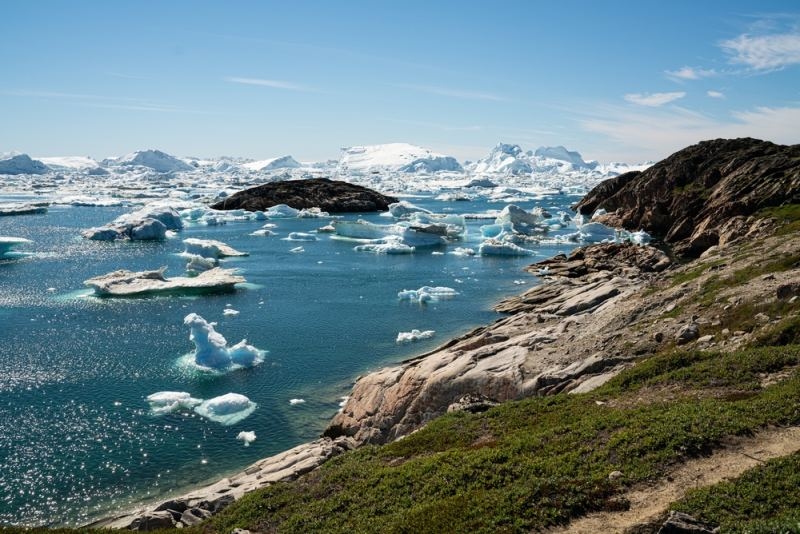
Seas are melting by absorbing more than double the heat and close to half the excess carbon dioxide, which warms them further. And for those injured seas and aquatic ecosystems? That's our fault too.
Climate change effects are happening now and are already affecting all of us. Ranging from warmer summer days, stormy weather, melting glaciers, and loss of wildlife habitat, some people are already seeing the effects of climate change in their own lives. When you understand the effects of climate change on Earth, you can learn how they affect your health and the environment.
Climate change involves long-term alterations in weather and temperatures, primarily due to human activity that produces greenhouse gases. This includes burning fossil fuels, deforestation, and other industrial processes that result in the emission of gases that generate heat in the Earth's atmosphere. This increases the amount of gases in the Earth's atmosphere.
Earth is changing because of climate change in many ways beyond just warmer temperatures. Glaciers are melting, growing seasons are changing, and more variable rainfall patterns are occurring. Areas are hit with either extreme drought or intense rainfall events, leading to potential impacts on homes, farms, human health, and water supplies.
Climate change and extreme weather are intrinsically linked. Heat extremes are amplified and more likely due to warming, and more moisture in the atmosphere makes heavy rain more likely in many cases. However, higher levels of evaporation can drive dry conditions in places that are already under stress.
That doesn't mean every hurricane, flood, or drought is the result of climate change. Weather systems still occur naturally, but in a warming world, global warming may mean those systems can have greater impacts. For example, people might experience longer, hotter heat waves, more severe wildfires, heavier rainfall from storms, and more intense rainfall from tropical cyclones.
Oceans absorb much of this excess heat buildup caused by greenhouse gases. As a result, oceans warm, which impacts ocean ecosystems and ocean circulation and raises sea levels. Warmer water also leads to expansion of seawater, while melting glaciers and ice sheets add more water to the oceans.
A second key issue is ocean acidification. As carbon dioxide dissolves into the ocean and reacts with seawater, it becomes more difficult for marine organisms like corals and some shellfish to develop and sustain their shells and skeletons. These effects of climate change on Earth can harm coral reefs, alter fisheries, and put the livelihoods of millions of people at risk.
Wildlife depends on particular conditions for food, cover, reproduction, and survival. With a warming climate, animals and plants will be forced into colder climates or to higher elevations. Still others will be unable to keep pace as their habitat shifts and deteriorates - a troubling proposition for ecosystems and wildlife already threatened by habitat loss or pollution.
Altering the timing of seasons can also impact the food chain, say the researchers. Birds, for example, are arriving at breeding grounds later when the supply of insects for their chicks has already peaked. Warmer conditions can create additional stress for coral reefs, forests, and freshwater habitats. Conserving connected habitats, restoring native plants, and lowering other stresses can help animals cope.
These long-term effects of climate change may have the power to decide residential and employment opportunities, which change locations and employment. What might be soon after in regard to making a living, these specifics will have within the community range. Coastlines are affected by, and a result of, increased water levels because of sea-level rise. Drought might mean fewer meals and reduced drinking water resources, probably deteriorating yields.
Heat waves can lead to dehydration and heat stroke, and fumes from wildfires and air quality changes can compound pre-existing respiratory issues. Temperature and rainfall pattern changes can also influence the transmission of certain vector-borne diseases. The impact of this will depend in part on how vulnerable and resilient populations are and how rapidly emissions are curbed.
While some climate change is already inevitable due to past emissions, effective responses can slow the warming and minimise the damage. All sectors of society, including governments, business, communities and households, have a role to play in reducing emissions and managing change.
Some helpful steps are
Climate risk reduction, by itself, will not reverse climate change, but it is part of the solution to assist in emissions reduction and building more climate-resilient communities.
The effects of climate change today show us that our world is intertwined with our lives. An increase in temperature can alter our climate, our oceans, wildlife, our food, and our health. But no matter the severity of the threats, the future is far from set.
We have the capacity to act today to prevent climate change by cutting emissions, safeguarding the natural world, and beginning to prepare our planet for what's to come.
All these things threaten our way of life now and for future generations. Global warming is defined as a gradual increase in the overall temperature of the Earth's atmosphere. Climate change is a broader term that encompasses global warming along with shifts in rainfall, sea levels, seasonal patterns, ocean conditions, and the number or severity of extreme weather events.
Yes. Precipitation may be less predictable due to shifts in the timing of the snowpack and snowmelt, as well as drought and a changing climate. This can result in localised water shortages or excess flooding, but there are steps that can be taken to adapt.
Climate change may impact the length of growing seasons, higher levels of heat stress on crops, and the effects of dry soil and certain pests. Excessive rainfall can flood fields, while drought can bring crops to the point of failure. Farmers can adapt by planting more water-efficient crops and crops adapted to warmer conditions, as well as managing soil more effectively.
Yes. Impacts differ by place: some places are more affected by rising seas, others by drought, some by soaring heat, and others by flooding.
Yes. Cutting greenhouse gases can help to limit further warming and the risks of many future impacts. Adaptation, for example, enhanced flood planning and heat protection, can decrease those risks. Some changes will occur regardless, so the sooner action is taken, the better.
This content was created by AI